



Introduction
If your customers live within driving distance, ranking on Google Maps matters more than ranking nationally. Local SEO is one of the fastest, cheapest ways to get found by people ready to buy. Here’s how to dominate your area.
I have hands-on background in local SEO marketing, including optimizing Google Business profiles, creating local backlinks, and helping businesses rank first in local search results.
A well-executed local strategy helps you rank higher on Google, show up in map results, and turn nearby searchers into paying customers.
Unlike traditional SEO, which focuses on ranking nationally or globally, Local SEO Marketing zeroes in on your specific service area.
It merges your website, your Google Business Profile, your reviews, and your regional renown into one cohesive plan designed to put you in front of people who are ready to buy right now.
Whether you’re a bakery, a plumber, a law firm, or a dental practice, mastering local search can be the difference between a thriving business and one that struggles to get noticed.
In this guide, you’ll find 12 practical, easy-to-apply tips that will help you build a stronger local presence, climb the search rankings, and bring more foot traffic, phone calls, and online inquiries to your business.
What Is Local SEO Marketing?
Local SEO Marketing is the process of optimizing your online presence so that your business appears in search results when people in your area look for products or services like yours.
It contains optimizing your website, managing your online listings, gathering reviews, and creating content that speaks directly to your regional audience.
The goal is simple: when a nearby customer searches, you want to be the business they find first.

12 Practical Local SEO Marketing Tips
Below are 12 actionable plans you can begin using today to strengthen your regional visibility and outrank nearby competitors.
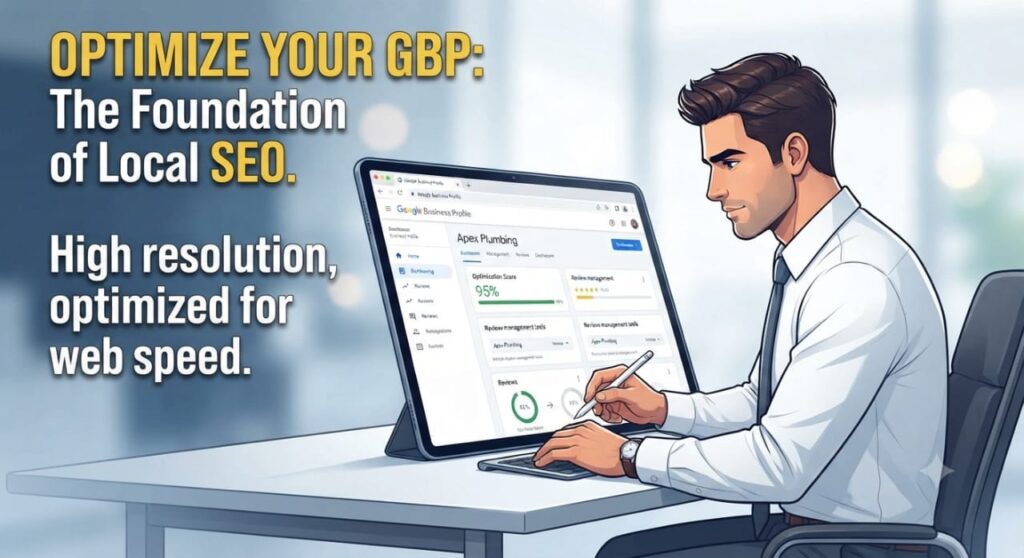
1. Optimize Your Google Business Profile
Your Google Business Profile is the cornerstone of any Local SEO Marketing plan. This free listing is regularly the first thing potential customers see, so it needs to be complete and accurate. Make sure your profile includes:
- Accurate business name
- Correct address and phone number
- Business hours (including holiday hours)
- Website link
- High-quality images of your storefront, items, or team
- Relevant business categories
Update your profile frequently with posts, offers, and new photos. An active, well-maintained profile signals to Google that your business is legitimate and engaged, which can improve your ranking in local search results.
2. Use Local Keywords Naturally
Include location-based keywords throughout your website content so search engines understand exactly where you operate. For example:
- “best bakery in Chicago”
- “plumber near Dallas”
- “Local SEO Marketing services in Miami”
Add these keywords to your page titles, headings, meta descriptions, and blog posts. The key is to weave them in naturally overstuffing keywords can hurt readability and may even trigger search engine penalties.
3. Create Location-Specific Pages
If your business provides multiple towns, neighborhoods, or regions, create a devoted page for each one. Every location page should include:
- Unique, non-duplicated content
- Local keywords relevant to that area
- Customer testimonials from that location
- Area-specific services or promotions
This kind of granular Local SEO Marketing approach increases your chances of ranking well across a wider range of local searches, rather than competing for just one broad term.

4. Keep Your NAP Information Consistent
NAP represents for Name, Address, and Phone Number. These details must match exactly across your website, social media profiles, and every online directory where your business is listed.
Inconsistent NAP information confuses both customers and search engines, and it can quietly damage your rankings. Consistency builds trust and reinforces your credibility with Google.
5. Encourage Customer Reviews
Positive reviews are one of the strongest local ranking signals available, and they also build credibility with potential customers.
inquire satisfied customers to exit reviews on platforms like Google and Facebook. create it easy by sending a guide link after a purchase or service.
Just as important, respond to every review good or bad in a professional, timely manner. Thoughtful responses show future customers (and search engines) that you’re attentive and trustworthy.
6. Optimize for Mobile Users
Most local searches happen on smartphones, often from someone standing outside your business or driving nearby. Your website should:
- Load quickly on mobile networks
- Be fully mobile-friendly and responsive
- Have simple, intuitive navigation
- Include a clickable phone number for one-tap calling
A smooth mobile experience doesn’t just improve rankings it directly affects whether a nearby customer chooses to visit or call you.
7. Add Local Business Schema Markup
Schema markup is structured code that helps search engines understand key details about your business, such as your address, hours, and reviews
Adding local business schema can improve how your listing appears in search results and increase your click-through rate, giving your Local SEO Marketing efforts an extra edge over competitors who skip this technical step.
8. Build Local Backlinks
Backlinks from additional local websites strengthen your authority in the eyes of look for engines. You can earn local backlinks from:
- Local blogs and news websites
- Community organizations and sponsorships
- Business directories and chambers of commerce
- Local event pages
Quality local backlinks improve your domain authority and send strong signals that your business is a trusted, established part of the community.
9. Publish Local Content Regularly
Create content that speaks directly to your city, neighborhood, or local events. Examples include:
- regularly directs Top 10 Things to Do in town
- Coverage of community events you sponsor or attend
- Local news relevant to your industry
- periodic or industry updates specific to your area
Publishing local content regularly helps search engines connect your business with nearby customers and positions you as an active, invested member of the community.
10. Optimize Voice Search Queries
More people than ever are using voice assistants to find local businesses. Voice looks for tend to be conversational and question-based, such as:
- “Where is the best pizza near me?”
- “Which dentist is open now?”
To capture this traffic, use natural, conversational language in your content and answer common questions directly. This is a growing but often overlooked piece of any modern Local SEO Marketing plan.
11. List Your Business in Online Directories
Submit your business information to trusted online directories, including:
- Yelp
- Bing Places
- Yellow Pages
- Apple Maps
These listings expand your online footprint, reinforce your NAP consistency, and support your overall local visibility across multiple platforms — not just Google.
12. Track Your Local SEO Performance
You can’t improve what you don’t measure. Use analytics tools to monitor:
- Website traffic from local searches
- Keyword rankings in your target areas
- Calls, form submissions, and inquiries
- Customer behavior on your site
Tracking your results consistently helps you understand which tactics are working and where you need to adjust your strategy for better outcomes.
Frequently Asked Questions
What is Local SEO Marketing and why does it matter?
Local SEO Marketing is the practice of optimizing your online presence so your business ranks well when nearby customers search for related products or services.
It matters because most people choose from the first few results they see, and ranking higher means more calls, visits, and sales from people who are already close by and ready to act.
How long does it take to view outcomes from local search efforts?
Most businesses start noticing improvements within three to six months, though this varies based on your industry, competition, and how consistently you apply best practices.
Optimizing your Google Business Profile and gathering reviews tend to produce visible results faster than tactics like backlink building or content marketing.
Do I need a website for effective local search optimization?
While a Google Business Profile can generate some visibility on its own, a website significantly strengthens your results.
It gives you a place to build location-specific pages, publish local content, add schema markup, and capture leads directly — all of which support a more complete local strategy.
How important are online reviews for local rankings?
Reviews are one of the most influential ranking factors in local search. They signal trust and popularity to both search engines and potential customers. Businesses with more frequent, positive, and recently posted reviews generally outperform competitors with fewer or older reviews.
What’s the difference between regional SEO and traditional SEO?
Traditional SEO focuses on ranking for broad, often national or global search terms, while regional SEO Marketing narrows that focus to a specific town, region, or service area.
It relies more heavily on tools like Google Business Profile, local citations, and location-based keywords than traditional SEO does.

Conclusion
A powerful regional SEO Marketing strategy helps your business reach more nearby customers, build lasting trust, and stay ahead of competitors who haven’t invested in their regional presence.
By optimizing your Google Business Profile, using local keywords, maintaining consistent NAP information, collecting reviews, and publishing content that speaks to your community, you position your business to be found by the people most likely to stroll through your door or pick up the phone.
The businesses that dominate local search aren’t necessarily the biggest they’re the ones that apply these fundamentals consistently over time. Start with one or two tips from this guide today, track your progress, and build from there.
Ready to grow your local visibility? Start optimizing your Google Business Profile this week, ask your last five happy customers for a review, and watch your local rankings begin to climb.