


Introduction
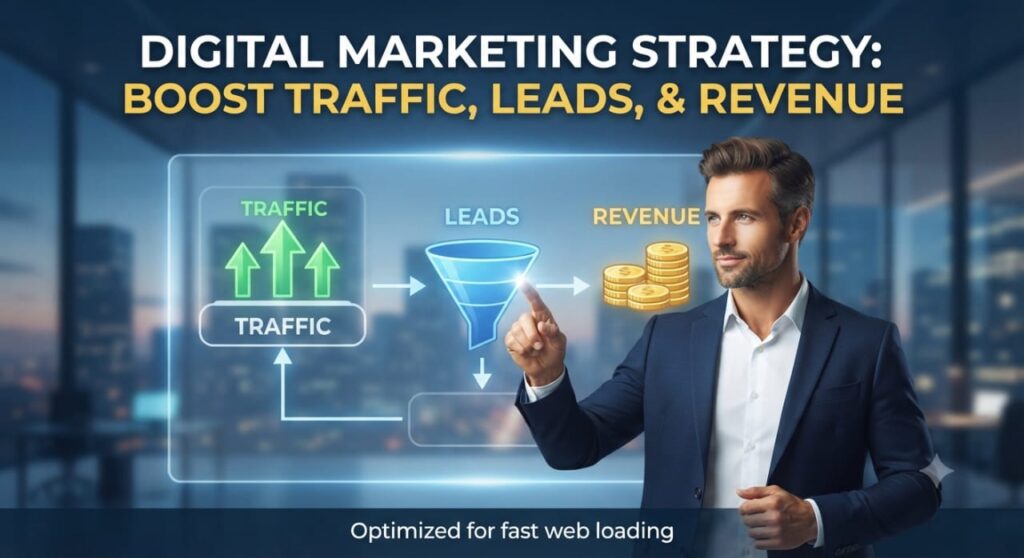
Why do two businesses selling the same product get completely different results online? Usually, it’s not the product it’s the plan behind it. This guide breaks down the framework that separates businesses that scale from those that stall.
I have hands-on experience in digital marketing driving consistent website traffic through SEO and content, generating high-quality leads across multiple channels, and converting visitors into customers.
Instead of posting randomly on social media or running ads without a plan, this kind of strategy connects every channel SEO, content, email, and paid media into one system built around measurable goals.
In this guide, you’ll learn what it takes to build one from the ground up, why it matters, and the step-by-step process for turning it into consistent growth in traffic, leads, and revenue.
What Is a Digital Marketing Strategy?
A digital marketing strategy is a documented plan that outlines how a business will use online channels to reach specific, measurable goals. It’s different from simply “doing marketing.” A real strategy defines:
- Who you’re trying to reach (your target audience)
- What you want them to do (your goals)
- Which channels you’ll use to reach them
- How you’ll measure success
Without this framework, marketing becomes guesswork. With it, every blog post, ad, and email serves a clear purpose.
Core Components of the Strategy
Most successful plans share the same foundation:
- A defined target audience
- Clear, measurable objectives
- A mix of organic and paid channels
- A content plan
- A system for tracking and optimizing results
Each of these pieces reinforces the others, which is why treating marketing as a connected system rather than a set of isolated tactics tends to produce far better results over time.

Why It Matters for Growth
Businesses that operate with a defined plan consistently outperform those that market reactively, jumping from tactic to tactic without a clear sense of direction.
Key Benefits
- Focus – You stop chasing every new trend and instead invest in what actually works for your audience.
- Consistency – Your messaging stays aligned across every channel, which builds trust over time.
- Measurable growth – You can track what’s driving traffic and revenue, and cut what isn’t working.
- Better ROI – Budget goes toward proven tactics instead of one-off experiments that rarely repeat.
A well-built digital marketing strategy turns marketing from a cost center into a predictable, repeatable growth engine one that compounds month after month instead of resetting with every campaign.
Step 1: Define Clear, Measurable Goals
Every effective plan starts with specific goals not vague ones like “get more customers.” Instead, set targets such as:
- Increase organic website traffic by 30% in six months
- Generate 200 qualified leads per month
- Improve email conversion rate by 15%
- Grow revenue from online channels by 20% year-over-year
Use the SMART Framework
Goals should be Specific, Measurable, Achievable, Relevant, and Time-bound. Clear goals make it possible to measure whether your digital marketing strategy is actually working, rather than relying on gut feeling or vanity metrics like follower counts.
Step 2: Know Your Target Audience
You can’t build an effective plan without understanding who you’re marketing to. Too many businesses skip this step and end up creating content and ads that don’t resonate with anyone in particular.
Building Buyer Personas
Create detailed buyer personas that include:
- Demographics (age, location, income, job role)
- Pain points and challenges
- Where they spend time online
- What influences their buying decisions
The better you understand your audience, the more precisely you can target your content, ads, and offers which strengthens every other part of your approach.
Step 3: Build a Strong SEO Foundation
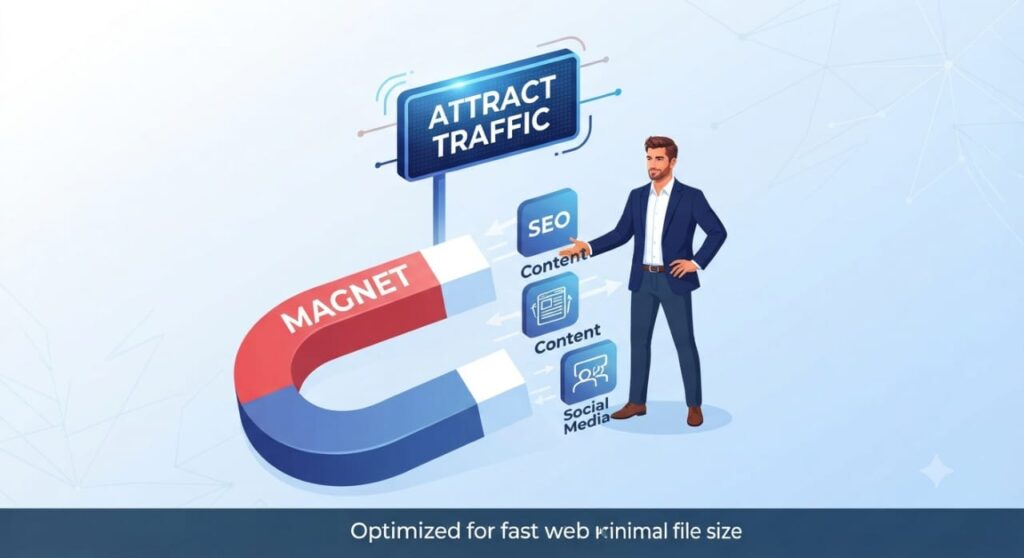
Search engine optimization (SEO) is one of the most cost-effective ways to drive consistent, long-term traffic, and it should sit at the center of any digital marketing strategy because it keeps working long after the initial effort is spent.
Keyword Research
Identify the terms your audience is actually searching for. This research shapes your content plan, your website structure, and your paid campaigns, and it should be revisited regularly as search trends shift.
On-Page and Technical SEO
- Optimize titles, headers, meta descriptions, and content around target keywords
- Ensure fast load times and mobile-friendliness
- Maintain a clean, logical site structure
- Earn backlinks from reputable sites to build authority
SEO compounds over time, making it one of the highest-return components of any long-term marketing plan.
Step 4: Create a Content Marketing Plan
Content is the engine that fuels traffic, leads, and trust, and it’s a non-negotiable part of any digital marketing strategy that’s built to last.
Content Formats That Work
- Blog posts that target keywords and answer audience questions
- Case studies that show real results and build credibility
- Videos that explain products or build brand personality
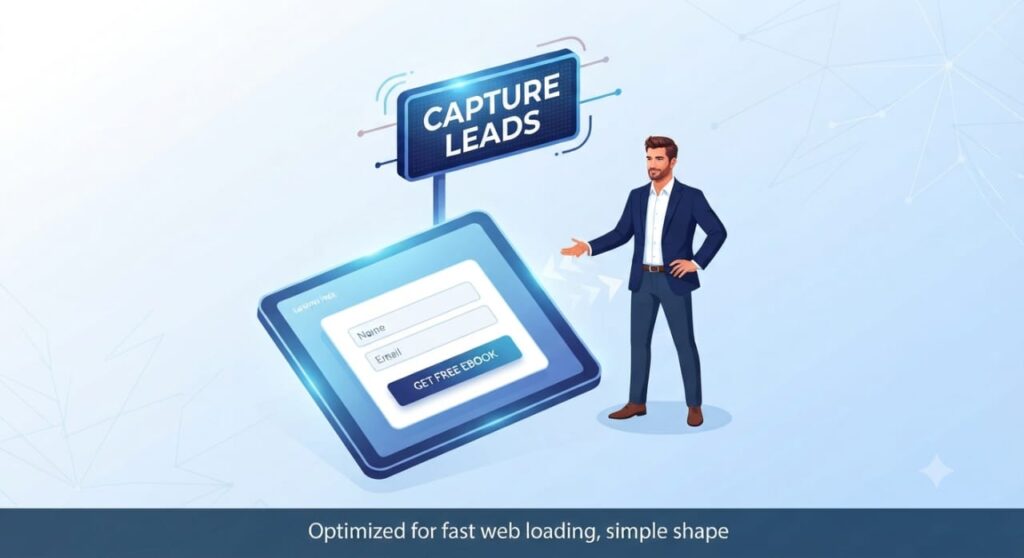
- Downloadable resources (guides, templates, checklists) used to capture leads
Consistency matters more than volume publishing quality content on a predictable schedule builds long-term traffic and authority far more reliably than sporadic bursts of activity.
Step 5: Use Paid Advertising to Accelerate Results
While organic growth takes time, paid channels like Google Ads, Meta Ads, and LinkedIn Ads can accelerate results and give your growth plan an immediate boost in traffic and leads.
Best Practices for Paid Campaigns
- Target specific audience segments, not broad groups
- Test multiple ad creatives and headlines
- Send traffic to dedicated landing pages, not your homepage
- Track cost per lead and cost per acquisition closely
Paid ads work best when they support not replace the organic side of your digital marketing strategy.
Step 6: Leverage Email Marketing to Convert Leads
Email remains one of the highest-ROI channels available, and it should be a core pillar of your overall plan.
Segmentation Tips
Segment your list by interest, behavior, or stage in the buying journey, and use email to:
- Nurture leads with helpful, relevant content
- Send personalized offers based on user behavior
- Recover abandoned carts
- Re-engage inactive subscribers
This kind of targeted follow-up increases open and conversion rates significantly, often outperforming cold outreach by a wide margin, and it keeps your marketing working even after visitors leave your site.
Step 7: Optimize Landing Pages and Conversion Paths
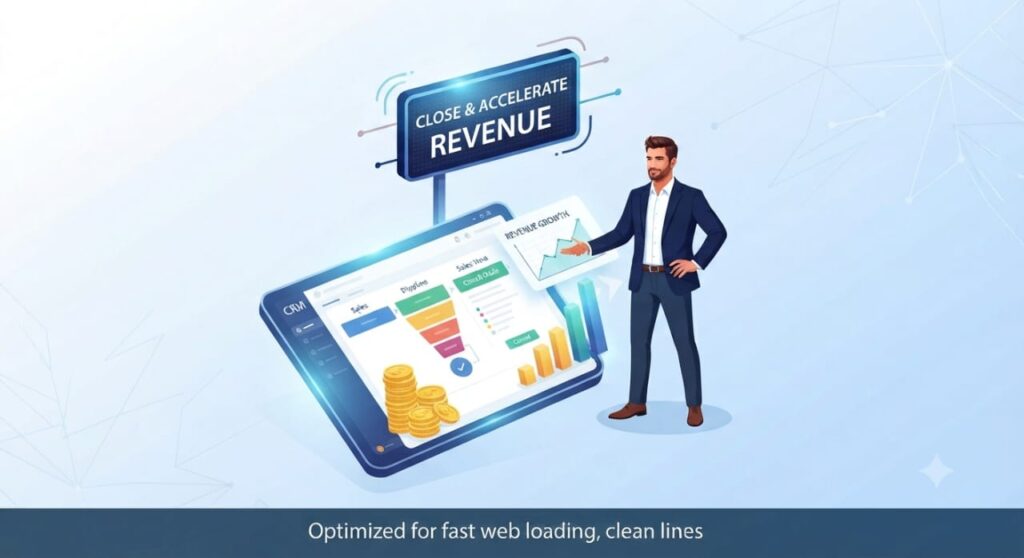
Traffic alone doesn’t develop income conversions do. This is often the most overlooked part of a digital marketing strategy, since teams tend to focus heavily on driving visitors without improving what happens once they arrive.
Conversion Rate Optimization Checklist
Make sure every landing page:
- Has one clear call-to-action (CTA)
- Loads quickly on mobile and desktop
- Includes social proof (testimonials, reviews, case studies)
- Removes unnecessary form fields or distractions
Small improvements in conversion rate can have a bigger revenue impact than driving more traffic alone, especially for businesses with limited ad budgets.
Step 8: Track, Measure, and Adjust
No plan is complete without ongoing measurement. Treating your strategy as a living document rather than a one-time exercise is what separates businesses that grow steadily from those that stall out.
Key Metrics to Monitor
Use instruments like Google Analytics, Google Search Console, and your CRM to track:
- Traffic sources and trends
- Lead conversion rates by channel
- Customer acquisition cost (CAC)
- Return on ad spend (ROAS)
- Revenue attributed to each channel
Review this data monthly, and adjust your approach based on what’s actually driving results not assumptions or industry hype.
Common Mistakes to Avoid
Even a well-intentioned plan can fail if it includes these common mistakes:
- Setting vague, immeasurable goals
- Trying every channel at once instead of focusing on what works
- Ignoring data and relying on guesswork
- Neglecting mobile optimization
- Failing to nurture leads after they convert
Avoiding these pitfalls keeps your strategy efficient and focused on real, measurable growth instead of busywork.
FAQ: Digital Marketing Strategy
1. What is the majority important part of a digital marketing strategy?
There isn’t one single “most important” part a strong strategy relies on the combination of clear goals, audience understanding, SEO, content, and consistent measurement working together.
2. How long does it take to see results?
Paid advertising can generate leads within days, while SEO and content marketing typically take three to six months to show significant, compounding results.
3. How much should a business budget for digital marketing?
Budgets vary widely by industry and goals, but many businesses allocate between 6% and 12% of revenue toward marketing, split across organic and paid channels.
4. What’s the difference between a digital marketing strategy and a marketing plan?
A digital marketing strategy defines the overall direction and goals, while a marketing plan outlines the specific tactics, timelines, and tasks used to execute it.
5. Can a small business benefit from having one?
Yes. Small businesses often see the biggest impact, since a focused approach helps them compete with larger companies by targeting the right audience efficiently instead of spending on broad, expensive campaigns.
Conclusion
A winning digital marketing strategy isn’t about doing everything at once it’s about combining SEO, content, paid advertising, email, and conversion optimization into one connected system that consistently turns strangers into traffic, traffic into leads, and leads into revenue.
Start with clear goals, understand your audience deeply, and commit to measuring results instead of guessing.
If you’re ready to put this into action, start today: audit your current marketing efforts, identify one gap from the steps above, and build it into your plan this month.
tiny l, consistent improvements compound into real, lasting growth and the sooner you begin, the sooner you’ll see the outcomes.